This article was originally published in Huffington Post.
 The Harris v. Quinn ruling on Monday was a huge step backward in the national effort to develop rights and protections for home care workers. It’s also a clear call to action for all of us not to become complacent or take for granted the rights and protections that were hard fought and hard earned by the labor movement.
In a 5-4 decision, the U.S. Supreme Court ruled that home care workers who do not wish to support the union that bargains on their behalf, can no longer be required to pay their “fair share” of the costs of collective bargaining with the state — even though they benefit from that bargaining process.
The attack on these public sector workers dramatically undermines decades of state-level progress in professionalizing the home care industry and ensuring that the people taking care of our nation’s grandparents and disabled people are paid decent wages, work in humane conditions, and can afford to take care of their own families.
This ruling is troubling for the home care workers it will affect — most of whom are women and people of color. Many make less than minimum wage. It is also troubling for all of us who understand that workers are more able to provide quality care when they are treated with dignity, paid fair wages, and have a voice on the job.Continue reading “LeeAnn Hall: Three Reasons Why Harris v. Quinn Matters to All of Us”


 Throughout the country, local police have been partnering with immigration services, resulting in unfair targeting and treatment of people of color. On Tuesday July 1, join us for an important video discussion about ending collaboration between local law enforcement agencies and Immigration and Customs Enforcement (ICE).
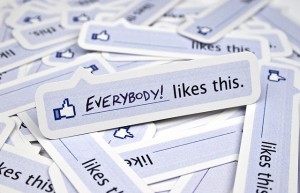 It’s confirmed: if you run a Facebook ‘page’ (for your community organization, for instance), Facebook’s algorithms are holding your constituents hostage until you pay up. Due to unannounced, opaque changes to what items appear in a user’s News feed, Facebook page administrators who don’t pay to upgrade are already experiencing a 75 percent or greater drop off in visibility to the folks who already clicked the big blue Like button.